There's one genuine advantage the old copper line had: it kept working in a power cut, because the line carried its own power. Digital lines don't - so resilience needs a deliberate plan. The reassuring part is that, done right, digital phones can actually be more reliable. Here's how.
The honest weakness: power
On the old analogue network, the phone line carried a small amount of power from the exchange, so a basic corded phone still worked when the lights went out. A Digital Voice line or hosted phone, by contrast, depends on:
- Mains power for the router and any equipment.
- A working internet connection.
Lose either and the phone goes quiet - unless you've planned for it. This is the single most important thing to address when moving off copper, and it's easy to overlook.
How to keep calls flowing
The good news is there are several layers of protection, and you can stack them:
1. Battery backup (UPS)
A small uninterruptible power supply (UPS) keeps your router and phone equipment running through short power cuts. For many businesses, this alone covers the most common outages.
2. Mobile / softphone failover
Because a digital number isn't tied to a desk, you can have calls automatically divert to mobiles if the office connection drops. Staff keep taking calls on their phones via an app, often without callers noticing.
3. Internet failover
If your main broadband fails, a 4G/5G failover connection keeps both your data and your calls running. This is especially worth it if your phones and internet are business-critical.
4. Cloud call routing
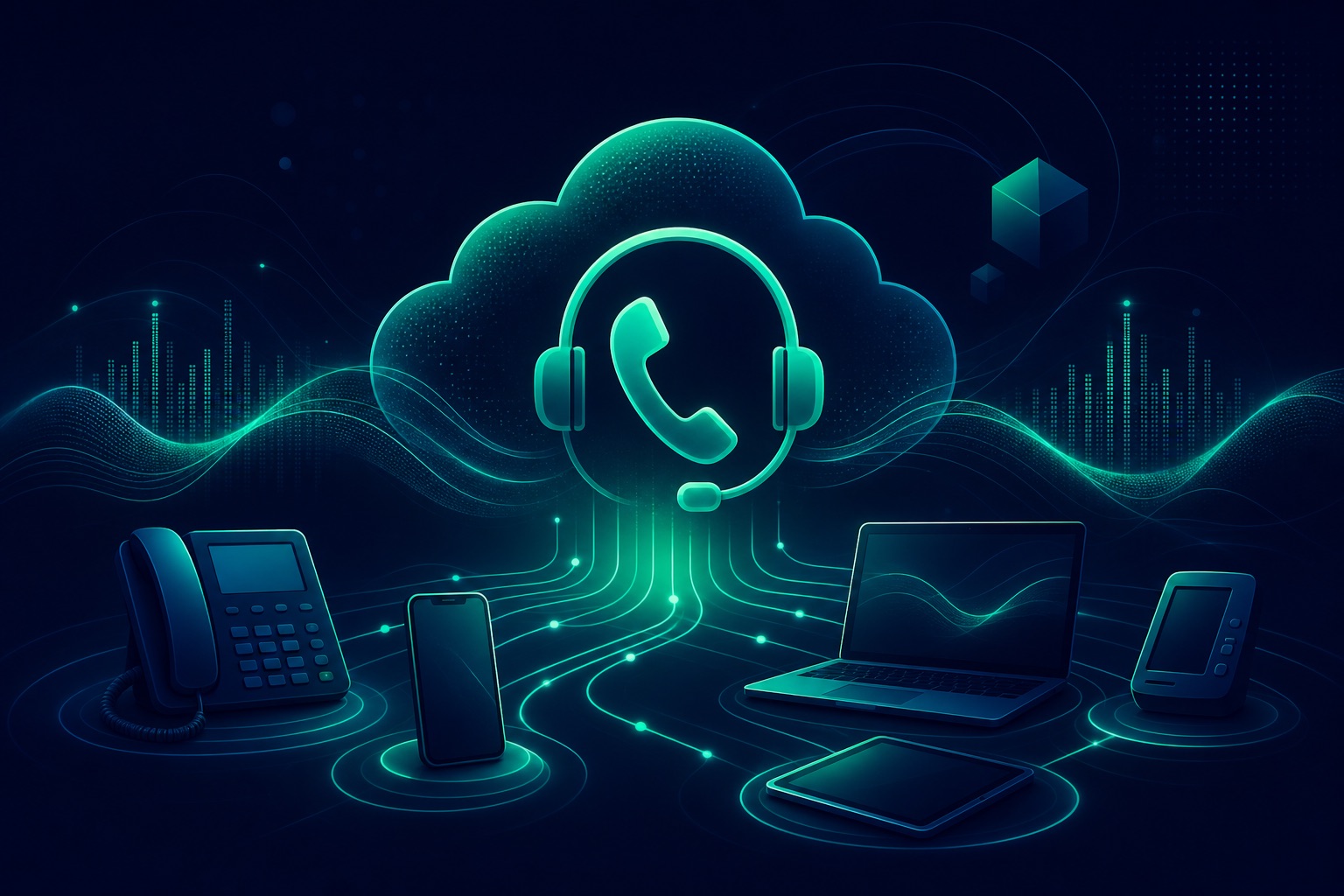
With hosted telephony, your call handling lives in the cloud, not on-site. So if your premises lose power entirely, calls can still be answered elsewhere - another site, a mobile, or voicemail-to-email - automatically. This is the heart of business continuity with hosted telephony.
Why digital can be more resilient
It's tempting to mourn the copper line's power independence, but consider the bigger picture. A single copper line had one failure mode that nothing could fix: cut the line, flood the exchange, or damage the cabinet, and you were off. A cloud-based system spreads the risk:
- Calls aren't tied to one building.
- They reroute in seconds without anyone lifting a finger.
- A single power cut at the office no longer means lost business.
So the right comparison isn't "copper works in a power cut, digital doesn't" - it's "one fragile line vs a system designed to reroute around problems."
Don't forget critical line-connected devices
Resilience planning isn't only about handsets. Alarms, lift emergency lines and similar safety-critical equipment have their own requirements - we cover these in devices that rely on phone lines. These often need dedicated, resilient solutions rather than riding on your office broadband.
A simple resilience checklist
- Fit a UPS for your router and key phone equipment.
- Set up automatic divert to mobiles for outages.
- Add 4G/5G failover if phones are business-critical.
- Use cloud call routing so calls aren't tied to the building.
- Plan alarms and lift lines separately.
The bottom line
Yes, digital phones need power and internet - but with battery backup, mobile failover and cloud routing, your business can be more reachable than it ever was on a single copper line. The key is to plan resilience deliberately rather than assume it. Want a resilient setup designed for you? Explore our Cloud Telephony service or request a callback.
Frequently asked questions
Will my phone work in a power cut after the switch-off?
Not by default. Digital phone lines need mains power and internet, so they stop in an outage unless you add protection such as a battery backup (UPS), automatic divert to mobiles, or a 4G/5G failover connection.
How do I keep my business phone working without copper?
Stack a few protections: a UPS for short power cuts, automatic call divert to mobiles, internet failover for broadband outages, and cloud call routing so calls can be answered from anywhere.
Is a digital phone line less reliable than copper?
Not necessarily. A single copper line had failure modes nothing could work around, whereas a cloud-based system reroutes calls automatically to other sites or mobiles, often making it more resilient overall.
What about my alarm or lift line in a power cut?
Safety-critical devices like alarms and lift emergency lines need their own resilient migration plan rather than relying on office broadband. Audit every line-connected device before you switch.